Does Walter Writes AI just replace synonyms?
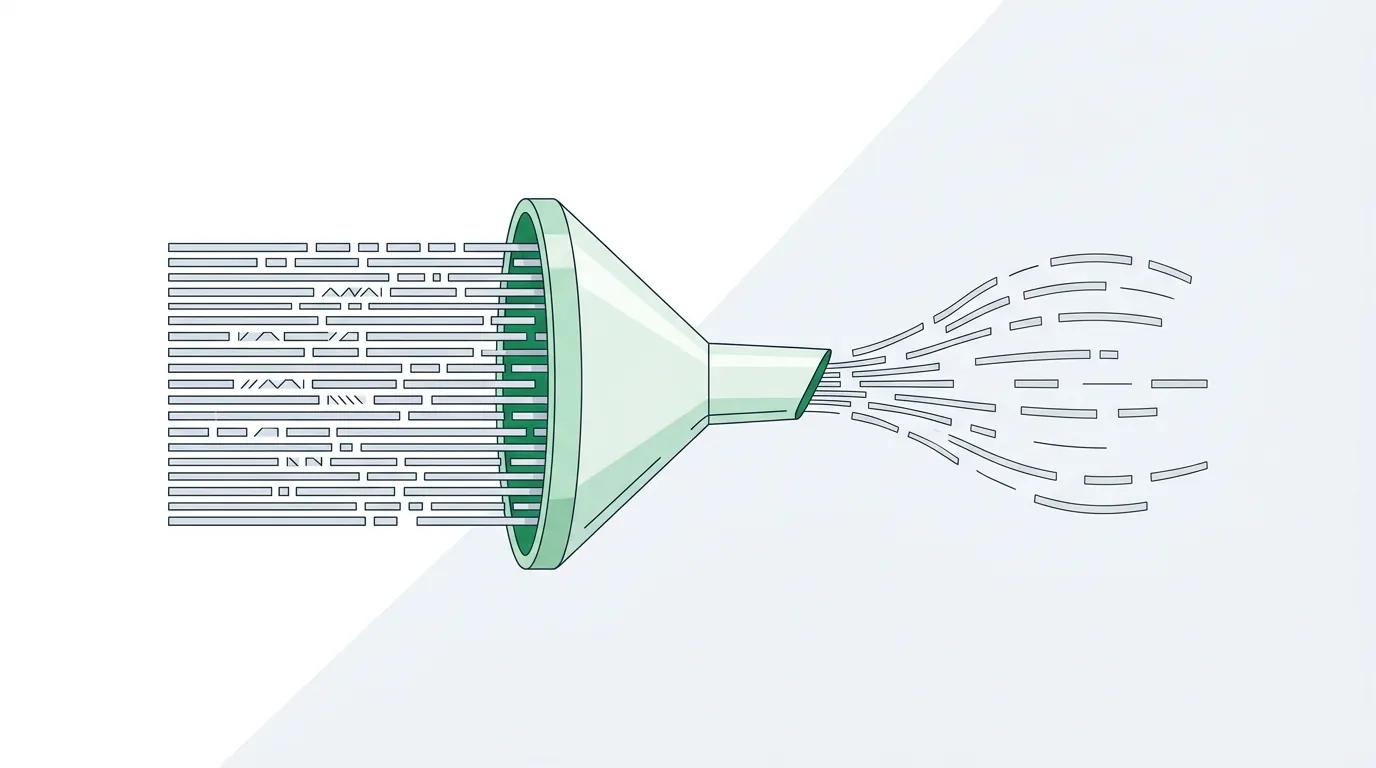
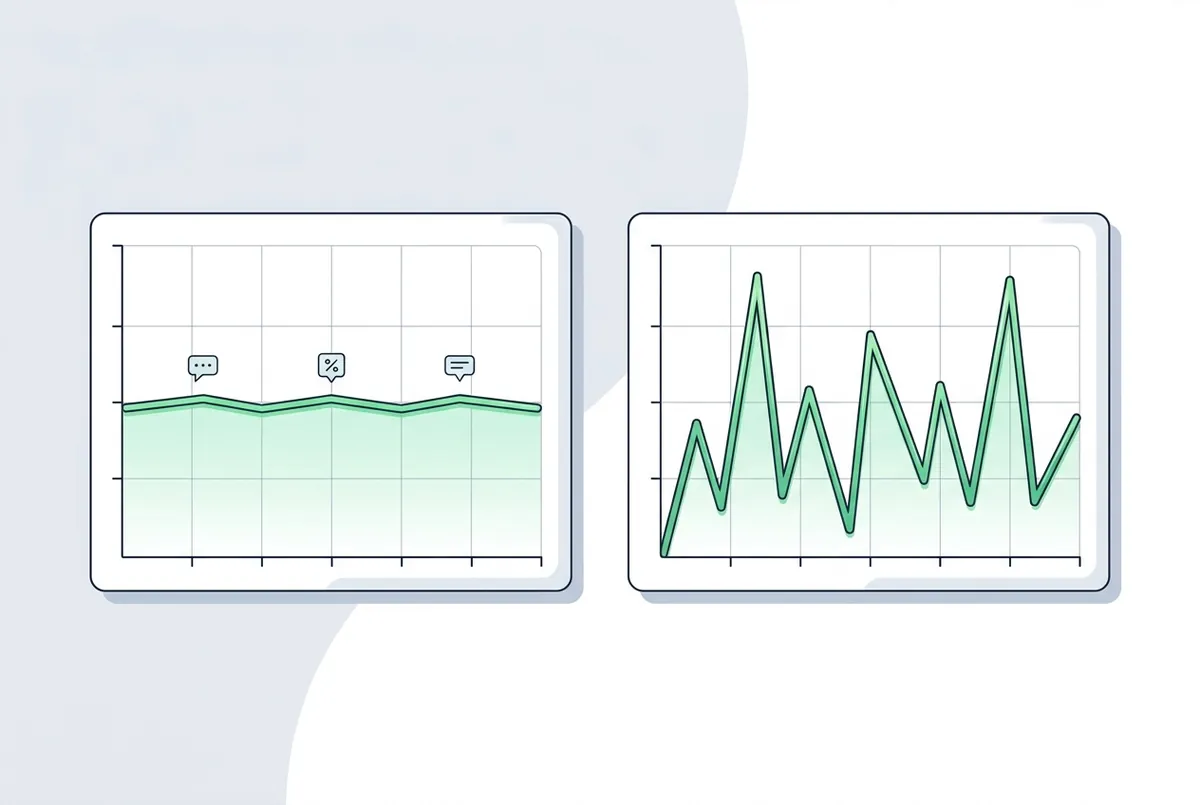
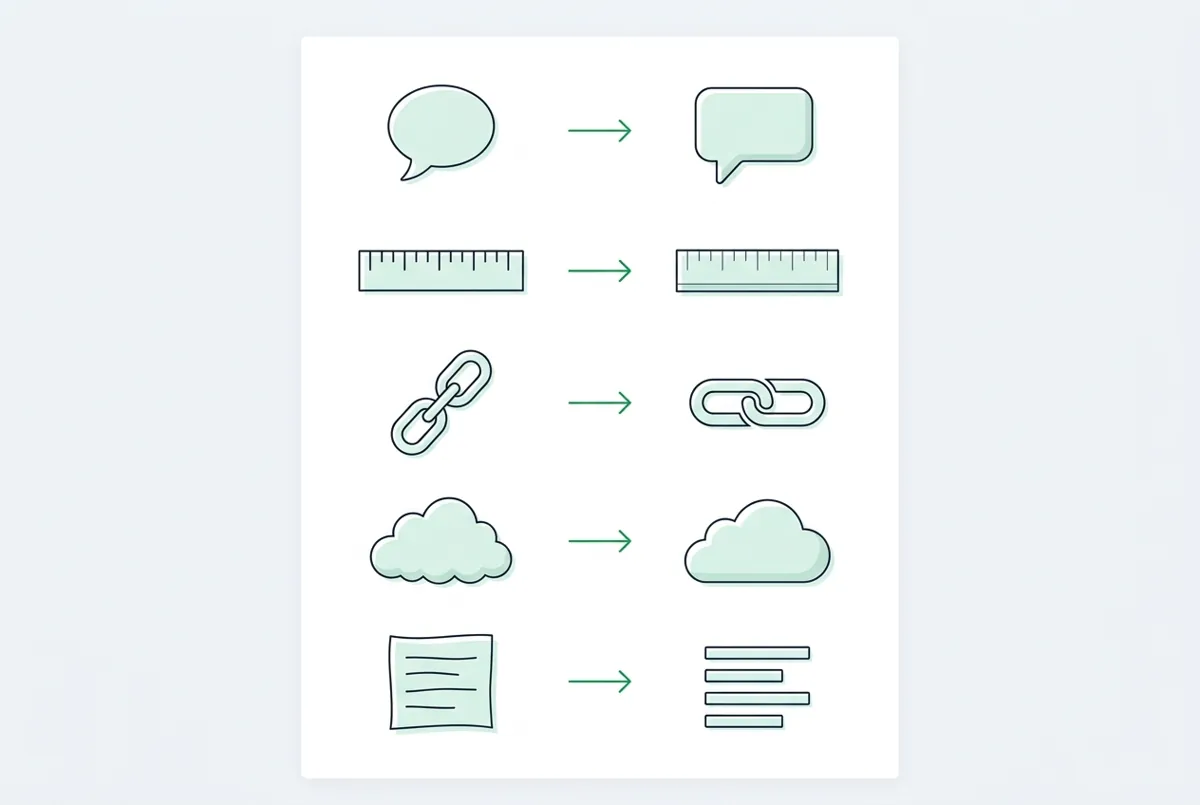
No, synonym replacement is exactly what basic paraphrasers do, and it's not enough to fool modern detectors. Walter Writes AI uses a purpose-built model that addresses the actual statistical patterns detectors look for: sentence length uniformity, transition word choices, over-formality scores, vocabulary predictability, and syntactic repetition. Synonym swapping is only one small component of a much deeper rewrite.
How long does Walter Writes AI take to process text?
Average processing time is under 10 seconds for most inputs. Longer documents (5,000+ words) may take slightly longer. Walter Writes AI processes text on fast, dedicated infrastructure and does not queue requests behind other users on free plans.
Can Walter Writes AI handle very long documents?
Yes. Walter Writes AI can process documents of any length, though very large documents may be automatically chunked and processed in segments for optimal quality. Paid plans support longer single-pass inputs. Visit WalterWrites.ai for current word limits by plan.
Does the output always pass AI detectors?
Walter Writes AI achieves a 99%+ detector bypass rate across all major platforms based on user testing. In rare edge cases, usually very short inputs (under 50 words) where detectors have less data to analyze, results can vary. For best results, process complete paragraphs rather than isolated sentences.
Will the humanized output still sound like me?
Walter Writes AI is designed to produce natural, fluent output, not to match your personal voice. If you have a very distinctive style, you may want to do light editing after humanization. The Academic and Professional modes produce clean, polished output; the Casual and Creative modes produce more expressive, informal results.
Does Turnitin use perplexity and burstiness?
Not directly. Turnitin's AI writing FAQ says its transformer-based model is not explicitly programmed to evaluate burstiness, perplexity or other single metrics. It learns statistical patterns from training data, scores each sentence between 0 and 1, and reports the percentage of sentences above its threshold.
Can Turnitin detect text changed by humanizer tools?
Turnitin says its model can flag text modified by paraphraser and bypasser tools, for English submissions only, and it declines to name which tools. That is why Walter's workflow ends with a built-in detector scan and a re-humanize pass on any sentence that still flags.
What is DetectGPT?
DetectGPT is a zero-shot detection method published on arXiv in January 2023 by Eric Mitchell, Chelsea Finn and colleagues. It compares a passage's log probability with lightly perturbed versions of the same passage, because model-written text tends to sit in negative-curvature regions. It raised detection of GPT-NeoX fake news from 0.81 to 0.95 AUROC.
What is a preservation report?
A preservation report is the summary Walter's MCP server returns with each humanized text inside Claude, ChatGPT and other MCP clients. Walter's documentation says rewrites protect keywords, entities, URLs and document structure, and the report lets you confirm those details survived before you publish or submit.
Why do short texts get less reliable detector scores?
Detectors need enough text to measure patterns. Turnitin does not process English documents with under 300 words of prose, and its FAQ says documents of only a few hundred words get mostly all-or-nothing predictions. Walter's API sets a 50-word minimum per humanize request.