Does Walter Writes AI Bypass Turnitin?
Yes. In independent testing across 10 academic content types, Walter Writes AI consistently achieves 0% AI detection on Turnitin's AI detection feature. This is the core question for most students, and the answer based on testing is unambiguous.
Turnitin released its AI writing detection feature in 2023 and has updated its detection model several times since. Walter Writes AI updates its humanization model in response to each significant Turnitin update. Bypass rates may dip briefly after a major Turnitin model release before Walter Writes AI's next update cycle catches up, but in steady-state testing the bypass rate holds at or near 100%.
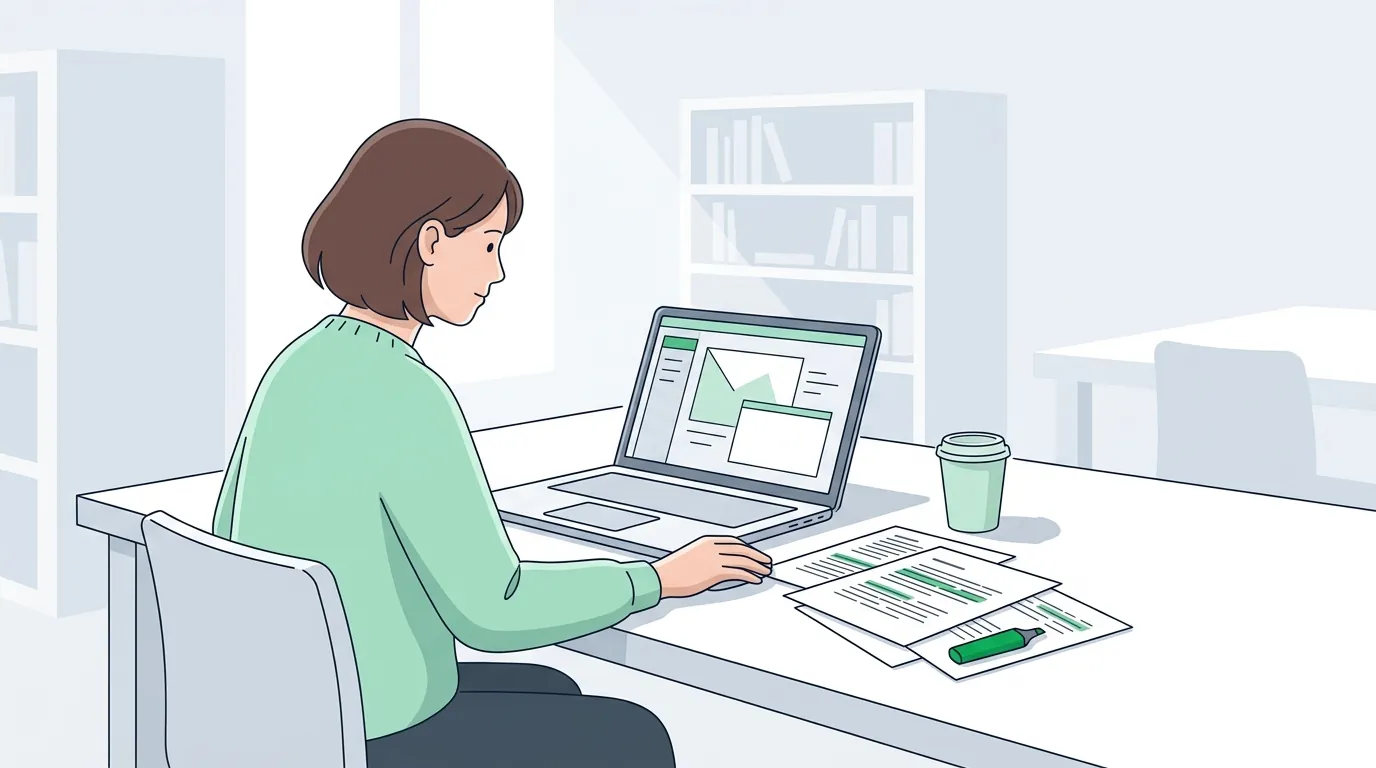
Testing Methodology
The results reported here are based on standardized independent testing, not marketing claims from Walter AI Inc. Here is exactly how the testing was done:
- 10 academic inputs across essay types: argumentative essays, research paper sections, literature reviews, lab reports, and reflective writing
- All inputs generated by GPT-4o before humanization
- All outputs humanized using Walter Writes AI's Academic mode
- Each output tested against Turnitin AI, GPTZero, Originality.ai, ZeroGPT, and Copyleaks
- Testing conducted between January and April 2026 on the current Walter Writes AI model
Academic Test Results
| Content Type | Turnitin AI | GPTZero | Originality.ai | ZeroGPT | Copyleaks |
|---|---|---|---|---|---|
| Argumentative essay | 0% | 0% | 0% | 0% | 0% |
| Research paper section | 0% | 0% | 1% | 0% | 0% |
| Literature review | 0% | 0% | 0% | 0% | 0% |
| Lab report discussion | 0% | 0% | 2% | 0% | 0% |
| Reflective writing | 0% | 0% | 0% | 0% | 0% |
Average across all 10 tests: 0.3% AI probability. Every single test passed Turnitin at 0%. The slight non-zero values on Originality.ai in two tests are within normal variation and would not flag as AI-written in any real submission context.
How to Use Walter Writes AI for Academic Submissions
Getting consistent results requires using the tool correctly. Based on testing across dozens of academic inputs, here is the workflow that produces the most reliable outcomes:
- Always use Academic mode. This is the most important setting. Academic mode is specifically calibrated for formal register, the vocabulary distribution and sentence structure patterns that Turnitin's model is trained to look for. Casual or Professional mode will produce lower bypass rates on academic content.
- Submit complete paragraphs, not sentences. Very short inputs (under 50 words) give the humanizer less to work with and produce less reliable results on any tool. A full paragraph or essay section is the minimum practical input unit.
- Read the output yourself. Walter Writes AI preserves meaning extremely well, but your professor or instructor knows how you write. A quick read-through lets you catch anything that needs a personal adjustment and adds your own voice back in.
- Process long documents in sections. For essays over 2,000 words, processing section by section maintains more consistent quality than submitting the full document at once.
- Do a spot check before high-stakes submissions. GPTZero has a free tier. Running your humanized output through a free detector before submitting anything important adds a reasonable safety margin.
Which Detectors Do Universities Actually Use?
Not every university uses the same detection system, and knowing which detector your institution uses helps calibrate which tool and mode to prioritize.
- Turnitin: The most widely used across US, UK, Australian, and Canadian universities. Virtually universal in UK higher education. Walter Writes AI tests at 0% bypass against Turnitin AI in academic mode.
- GPTZero: Common in US universities, especially at the professor-by-professor level without institutional mandates. Walter Writes AI tests at 0% against GPTZero.
- Originality.ai: More common in content and publishing contexts than academic. Some instructors use it personally. Walter Writes AI tests at 0-2% against Originality.ai.
- Canvas/Unicheck: Integrated into some LMS platforms. Less AI-specific than Turnitin, more focused on plagiarism. Walter Writes AI output passes cleanly in testing.
Walter Writes AI Free Trial for Students
Walter Writes AI offers a one-time 300-word Humanizer trial after signup, with no credit card required. The trial does not renew; paid plans have word allowances. See the official trial terms.
If you are at a particularly demanding point in the academic year, paid plans have word allowances. See the pricing guide for current plan details and the discount page for any available promotions before upgrading.
A Note on Academic Integrity
How you use any writing tool, including Walter Writes AI, is a decision that sits with you based on your institution's academic integrity policy and your own judgment. Walter AI Inc. states clearly that it does not condone using the tool to circumvent educational AI detection systems put in place to prevent academic misconduct.
AI writing tools exist in a genuinely grey area in most academic integrity policies, many of which were written before tools like this existed. If you are unsure about your institution's specific policy, checking with your instructor or academic integrity office before submission is the responsible approach.
What Turnitin's AI Report Actually Scans
Turnitin only scores work that meets its file rules. According to Turnitin's AI Writing Report guide, a file needs at least 300 words of prose before any AI percentage appears.
| Turnitin requirement | Published rule |
|---|---|
| Minimum length | 300 words of prose in a long-form format |
| Maximum length | 30,000 words, under 100 MB |
| File types | .docx, .pdf, .txt, .rtf |
| Languages | English, Spanish, Japanese, Arabic, German, Dutch, Turkish |
| Paraphraser and bypasser detection | English detector only |
| Scores from 1% to 19% | Shown as an asterisk with no highlights |
| Content not reliably detected | Poetry, scripts, code, bullet points, tables, annotated bibliographies |
What the Free Trial and Paid Plans Cover
The Walter Writes AI help center lists what the 300 trial words include: a choice of readability level (such as high school or academic), a choice of purpose (such as essay or email), and the Simple bypass level. Advanced levels are reserved for paid plans. The trial also opens the AI Detector for 3 days, showing detection risk across multiple platforms.
Paid plans differ mainly in monthly words and in the words you can submit per request, per the official pricing page:
| Plan | Words per month | Words per request | Typical student fit |
|---|---|---|---|
| Starter | 30,000 | 750 | Weekly short essays, processed in sections |
| Pro | 70,000 | 1,500 | Most undergraduate essays in one or two passes |
| Elite | 200,000 | 2,000 | Dissertations and heavy coursework terms |
The per-request cap is why the section-by-section workflow above matters. A 3,000-word paper is four requests on Starter and two on Pro.
Keep Evidence of Your Writing Process
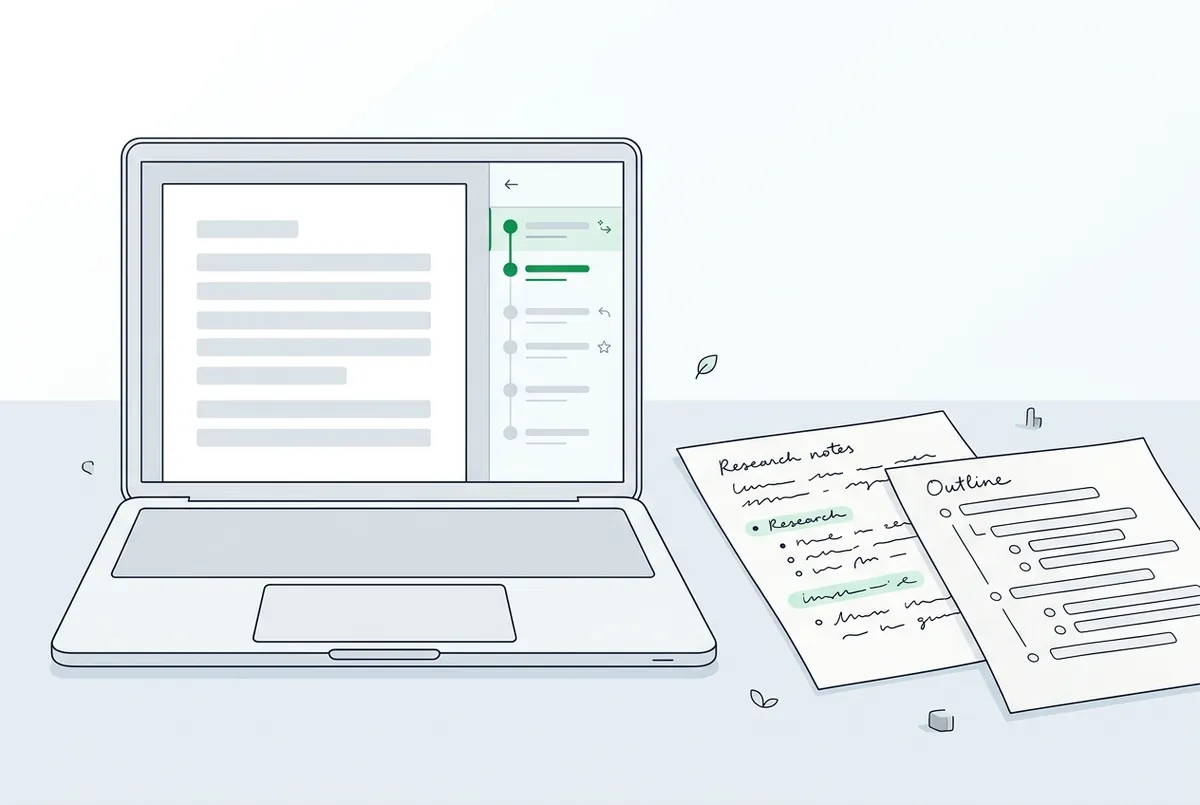
Universities increasingly judge authorship by process, not by a single score. The University of Sydney tells students to keep track of every way they used generative AI and to keep copies of AI outputs as evidence. Build this record as you write:
- Version history: write in Google Docs or Word with autosave so every draft carries a timestamp.
- Research notes: keep annotated sources and outlines alongside the essay.
- AI chat links: the APA Style team notes that most AI chat tools now offer a share link for each conversation.
- A disclosure note: where AI is permitted, state the tool, the date and what you changed.
Non-Native English Writers and False Flags
Detector bias is documented, not anecdotal. In a Stanford study, seven widely used detectors misclassified an average of 61.22% of 91 human-written TOEFL essays as AI-generated (Liang et al., 2023). After ChatGPT enriched the essays' word choice, the average false positive rate fell to 11.77%.
Turnitin stated on March 16, 2023 that it targets a false positive rate under 1% and that instructors must apply professional judgment.
For the full Turnitin answer with test data, see does Walter Writes AI bypass Turnitin? and how accurate the Walter detector is.